WORLD MOUNTAIN RUNNING ASSOCIATION

Author: Tomo Sarf

‘Know And Trust What Works For You’ – Interview with Sarah Tunstall

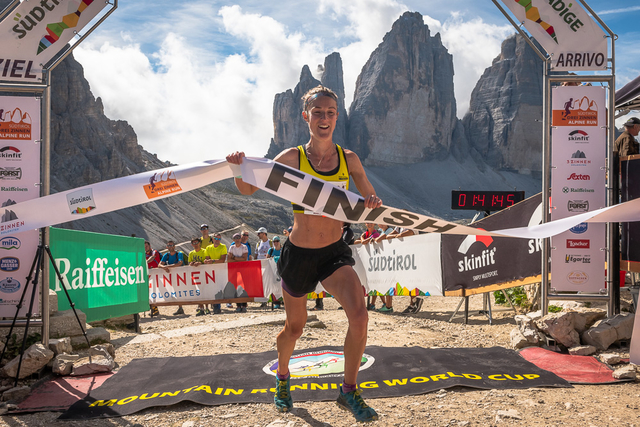
We spoke to Sarah Tunstall, GB mountain runner who bases herself in France for periods throughout the season. Sarah has had considerable success on the mountain running circuit over more than a decade. She finished 3rd in the European Championships back in 2008 and, more recently, has finished 2nd and 3rd at the World Championships and won the World Cup. In 2019 she won Grossglockner and Drei Zinnen. However, despite achieving great success over a number of years she has suffered from injuries which have forced her to rethink her approach to training. Here she tells us what she’s learned from her setbacks and how she’s found the right balance.


Can you tell us a bit about your running background? Did you start running as a kid?

I started running at an early age but not in any serious fashion. I always loved sport and being active and played netball at Primary School and walked up fells with the family which often resulted in a race to the summit against my sister! As long as I can remember I’ve been quite (!!) competitive and my earliest running memory is from my last year in Primary School doing some practice laps with my Dad on the local rugby pitches for the district sports 400m race…which I won!

You had success as a junior and then you’ve also had huge success as a senior. What advice would you give to junior runners who want to make that jump successfully?

In hindsight I think I was maybe just lucky that I wasn’t a very good junior! I would make County XC and England Fell teams but my best result (which I was delighted with) was finishing 10th at the English National XC in my final year. It sounds like a cliché but I think that enjoying the sport is the main factor that will ensure a good transition. Luckily this should be more likely in the fell/mountain scene as it can be less regimented or monotonous compared to track or road training. I think the key for juniors is not being pushed in any way and the less pressure on kids the better. The pressure of winning can be hard to deal with as an adult so as a junior it must be really tough, and I think that shows during the transitioning period. If you’re still enjoying running, that can be a big part of making the jump up to senior as running becomes more of a personal choice and if you enjoy it you will choose to keep running.

How did you make the transition from fell running to mountain running?

There was never a conscious transition but looking back the link for me was cross country. I would race XC in the Winter, fells in the summer so I always had relative speed. Hills and speed are essential on the European style courses, which are often on harder packed tracks, and it seemingly makes a mountain runner! I have always maintained that speed is vital in Mountain running. I would gladly run uphill every day but you get found out if you’re not fast and if you look at the profile of the best mountain runners their pbs are usually quite surprising. I’ve never been naturally quick or had any interest in the track but speed is always something I try to work on.

You’ve been regularly spending time in the Alps for a while now. Did you do that mostly for your running? 

Yes. I had injury issues 2010-12 and suppose I stubbornly felt I wasn’t running how I wanted, and knew I could, so I decided to do a few months in the Alps to try and get back to that level. That was Summer 2015 and I was citing the World Champs in Wales as my main excuse to be there (which it was) but having spent so much time there it became very difficult to return to the UK. We’ve been spending time in the Alps regularly ever since and will try to make it last as long as we can!
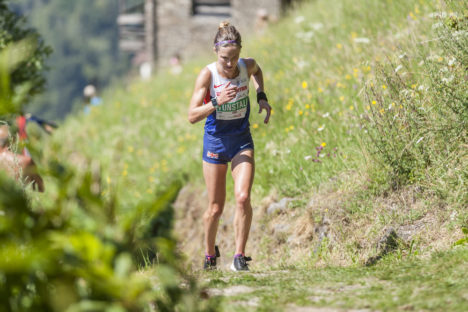
SARAH TUNSTALL CREDIT COURTHOUD copia 468x312

You’ve been incredibly consistent for so many years now (with World and Euro podiums and a World Cup title spanning 2008 – 2017) though I know you’ve had injury setbacks along the way. What have you learned from your setbacks and what advice would you give to athletes who want to be consistent and have long careers? 

It’s quite scary that 2008 seems like only yesterday! Between 2010-2012 I couldn’t really string any running together without injury problems. Unfortunately it is common amongst athletes that when everything is going well and you’re fit and flying you can suddenly get injured. It’s a fine line and when you’re young you just try and plough on but I think as you experience adversity through injuries you become a bit more sensible. I have never actually gone back to training as hard as I did pre-2010. I keep a relative low mileage, only run once a day and supplement training with biking or hiking. I find that the key is knowing your own body and its limitations. I would far rather run consistently at any level than be inactive especially in the Alps! I’ve had some ongoing heel problems over the past two years and took this winter largely off running to get on top of them. I’ve enjoyed other activities and feel happier that I’m not limping around so much in daily life.

It’s really important to know and trust what works for you, even if you are coached this should be a two-way relationship and not in any way dictated in terms of training.  The same with injuries, don’t rely solely on physios, spoken as a physio we do not know everything! Regular physiotherapy treatment or screening can be very effective for maintaining a healthy body and consistent training, but again it should be a two-way relationship and ultimately you should know your own weaknesses or imbalances and work on them to minimise injury risk.
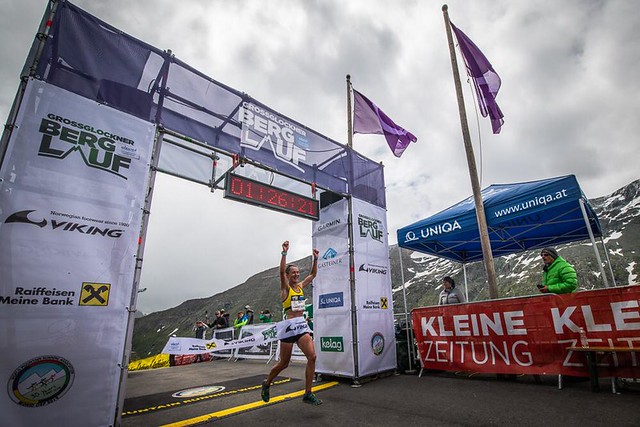
sarahT

Why did you decide to volunteer for the WMRA athletes’ commission?

It was something I was asked to do a couple of years ago. I’m passionate about all aspects of mountain running and its future so I didn’t hesitate in saying yes.

What developments would you like to see in mountain running in the future? 

I am a big fan of mountain running and in particular the classic distances and races. I’ve been lucky to have so many great experiences through the sport, I’ve travelled to amazing places and met some of my best friends through mountain running so in an era where trail and ultra races are becoming ever more commercialised I’d love to help preserve and promote what makes mountain running special. The classic races have often been going for 30-50 years, are relatively low key and no frills, but in beautiful settings. Unfortunately that means we’re often on the back foot in terms of social media, so they get hidden amongst the big flashy races.

On a selfish front I’d love them to stay that way so I can enjoy the simplicity of the beautiful races but I don’t want them to die out or get lost amongst the big brands or long, gnarly and overhyped races. I may be a traditionalist, but I find it quite conflicting to the understated sport of mountain running and think that the mountains should be able to sell themselves without excessive marketing.

What races will you be targeting in 2020 (COVID-19 situation permitting)? 

2020 looks like it is going to be a strange and stilted season. Many races I would run have already been cancelled throughout France, Italy and Switzerland, and rightly so. I’d love to think we could be racing towards the end of the Summer but after having the winter off I was in no rush to race anyway and I was already playing the early season by ear. With the Coronavirus outbreak I have not even been thinking about racing or training, there’s way more important things right now than the 2020 mountain running season. I’d gladly take having the freedom of outside over racing at the moment and it makes you appreciate the capacity to just get up a hill whenever you want!
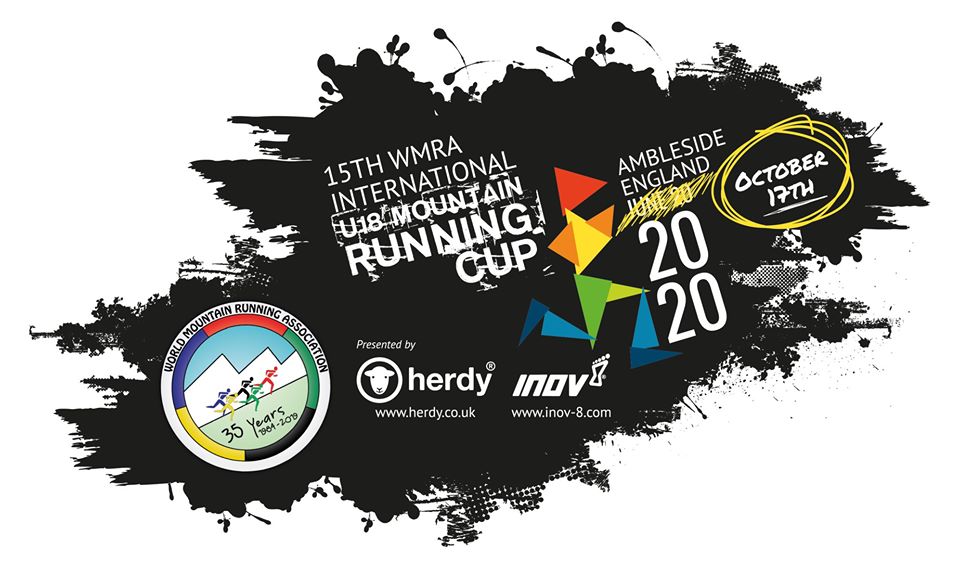
Announcement : International U18 Mountain Running Cup

Due to the ongoing uncertainty created by COVID-19 it has been decided to postpone the WMRA International U18 Cup.

This event will now take place on October 17th, when we hope things will have returned to some form of normality.

The Friday evening Wansfell Uphill only race will, as previously, take place the evening before, on October 16th.

More details to follow.   

It is obviously disappointing but in the circumstances appropriate.

The Local Organising Committee are determined to still have a celebration of international junior mountain running for us all to look forward to.  

The WMRA fully support the decision of the local organisers and we hope all of our mountain running community stay safe and take care of themselves and respect all local restrictions.  

Thanks WMRA and Ambleside LOC.

I am Proud To Be A Part Of The Mountain Running Family – Fujio Miyachi

I am Proud To Be A Part Of The Mountain Running Family: An Interview With Fujio Miyachi

In the latest of our interviews with the members of the WMRA Athletes’ Commission we speak to Fujio Miyachi, a Japanese athlete who is incredibly passionate about growing the sport of mountain running in Asia. He wasn’t one of those athletes who discover a great talent at a young age, but he was determined to improve. He talks about how mountain running has enriched his life and he wants others to experience that. 

Can you tell us a bit about your background in running?

Many professional athletes share the common experience of being good at sports from an early age.  They further strived to improve their physical and athletic performance while enjoying the sport and receiving the appraisal of people supporting them. 

On the other hand, as a child, I did not play any sports very well including running.  Because I was overweight and did not excel in sports, I did not even like PE class at school.  However, at the same time, I had a strong desire in my mind that I did not want to graduate from school with an inferiority complex that I was not good at PE.

The chance to change myself came at the annual school marathon race of my junior high school. As you can easily imagine, I was very slow and finished with the last ten runners when I was in my first and second year of junior high school. When I entered my third year of the school, I decided to train for one month before the race.  Of course, with only one month of training I was not able to run drastically faster than before, nonetheless I was able to finish in the middle group, a great improvement for someone who mostly ran with the last group.  I was able to feel not only with my heart but also with my body that I have the potential to change by making the necessary efforts.  This experience became the tipping point of my life.  In the three years after, I trained continually and in my last year of high school, I was able to complete the same race in the top group.

Through this successful experience, I learned the importance of actively trying to improve oneself and I was also able to overcome my lack of confidence.  In the hope of sharing this lesson with many children, I took teaching courses at university and coached students on the track and field team at my high school which I graduated from. Initially, I had plans to become a teacher after graduating from university, but instead I decided to become a mountain runner.  One day, when I went to a sports equipment shop with some students from my team, I just happened to see a poster of the Ontake Sky Race (one of the mountain running races in Japan) and signed up.  Since then, I have been running through the mountains not only in Japan but also all over the world as a professional runner.

2019 09 30 05.06.18

Representing Japan at the World Masters Mountain Running Championships in 2019

Though I enjoy running around in the mountains all over the world, it’s not always easy.  Though sometimes I have to travel alone and other times I am faced with issues, many times I encounter amazing views that I have never seen before and meet unique people by chance.

Mountain running has refined my ‘instincts’ over the years, and my life has become richer than I could ever imagine.  The fact that sports, which I was not good at as a child, could enrich my life so much, still surprises me.  And it continues to fascinate me even now after I am 41 years old.  Playing sports is not only about moving our bodies, but it may also open new doors to discovering another you.  That is why I want many people to enjoy playing sports in their lives.

Of course, life is not always fun.  We sometimes make mistakes and feel pain from it.  However, the lessons we learn from this ‘experience’ can become valuable for our future life and make us stronger if it we tackle them seriously.

Through sports, I believe we can refine our ‘instincts’ and accumulate ‘experiences’ which as a result will enrich our lives.  This is the reason why I recommend playing sports to many people.

Is mountain running a popular sport in Japan? 

In Japan, many people love running in the mountains and joining races longer than marathon distance. There are many mountain running races but they are usually called trail running races.  However, the rules of this type of race are a slightly different from mountain running.  Many Japanese runners do not know mountain running yet.  So, it is a big issue for me to familiarize them with it and hopefully make mountain running a popular sport.  

What are the best mountain races in Japan? 

In Japan, there is no race defined as mountain running race, but I would like to recommend some major trail running races. 

Short distance (Less than 30 km)

Ome Takamizu International Trail Run

In Japan, April is the starting month for a series of trail running races.  As a kickoff race, Ome Takamizu welcomes 2,500 runners every year.  Because the race venue is located near central Tokyo, more and more international participants also join recently. 

Long distance (More than 50 km)

Japan Mountain Endurance Race, Hasegawa Tsuneo Cup (HASETSUNE CUP)

This is one of the biggest trail running races in Japan organized in middle of October every year.  Its race distance is 71.5km and its starting time is 1pm.  Many runners run throughout the night, making it totally different from mountain running race.  Many Japanese trail runners aim for this race.

Shinetsu Five Mountains Trail Race 

This race has 110 km course along Shinshu area of Nagano prefecture and added the 100 mile category 3 years ago.  This is a very popular race in Japan so that the application is filled immediately after the registration is open.

Generally speaking, long distance races are more popular compared to short distance ones.

If you are not a full-time runner what is your day job? 

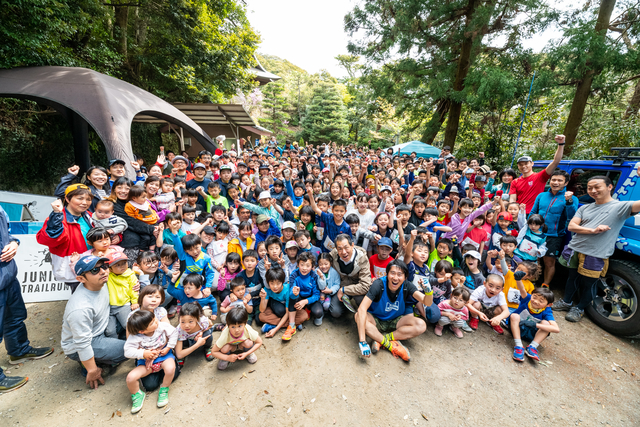
Many Japanese top runners work as firemen or are members of the national Self Defense Forces who have daily training in their job.  Though I do not belong to any company or institute, as an individual, I organize mountain running races and running activities targeted for children.

DSC 2374 original

Fujio at a junior mountain race he organises in Zushi, Japan

Why did you join the WMRA athletes’ commission? 

I am proud to be a part of the mountain running family. I think that it is a wonderful community in which commission members support each other across national boundaries.

I believe that it is important for more countries and more people to participate in the commission’s activities in order to popularize mountain running as a global sport.  From this aspect, the commission can play an important role as a hub to seek more opportunities for our activities in Asia.  I can contribute to the commission’s outreach activity targeting Asian region as a regional focal point. 

43862683361 dd32e94aaf o????

Fujio at the 2018 Malonno Race

How can we make sure that more athletes from Asia take part in mountain running and WMRA events?

Many Japanese runners are very interested in a new race in which WMRA and IAU plan to organize together in 2021.  Because there are many trail runners in Japan who know IAU’s trail running race, this initiative may become a good opportunity for WMRA to obtain more interest from Japanese runners who do not yet know mountain running.  Unfortunately, I have never seen any Asian runner in the recent WMRA’s races I joined.  However, I found in the Internet many trail running races which are organized in the Asian region.  I also discovered many non-Japanese, Asian runners joined the Ultra Trail Mount Fuji, 100-mile trail running race in 2019, held in Japan. This may mean that the trail running population in Asian counties is as big as that in Japan. Potentially, they may join the joint-race of WMRA and IAU show more interest in WMRA events.   

If we can organize WMRA’s World Cup in Japan, it will be another big opportunity for more athletes from Asia to take part in mountain running and other WMRA events.

I would like to continue to support WMRA by disseminating relevant information such as the results of questionnaires with my friends in Asian countries.  If you can assign me as an official focal point for the Asian Region of WMRA, I will try to conduct more outreach activities in the region.  

Let it be said that when things were at their worst..

 Let it be said that when things were at their worst, we were at our best

With the current COVID-19 crisis having such an effect on races and runners worldwide we wanted to reach out to athletes in different countries to see how they were affected and how they were coping with the situation. Many athletes in the worst affected countries, such as Italy and Spain, are very limited in being able to run, whereas for others the key restrictions are a lack of group training and obviously a lack of races.

Lunghe distanze 016

But wherever the athletes we spoke to were, what united all of them was a feeling that this crisis puts running into perspective and that we will get through it by pulling together and looking out for each other.

Francesco Puppi (right), from Italy, describes the situation there: “Life has changed drastically since the government imposed strict measures to contain the spread of the epidemic.

Schools were shut down three weeks ago, and all public exercises and stores (apart from essential grocery stores and pharmacies) followed a few days later. Everyone is supposed to stay at home and avoid social contacts as much as possible: it’s the only weapon we have to fight the virus, and we don’t know how long all this will go on.”

Andrew Douglas Drei Zinnen

For Andrew Douglas (left) in Scotland it’s ‘rapidly changing’. “At this moment in time (18th March) the government advice is to avoid all mass gatherings of more than 500 people and limit all non-essential contact, so in running terms this translates into widespread cancellations and postponements of races and all formal group training sessions.” Andrew can train pretty normally alone but he is avoiding going to the gym. In anticipation of measures like those in Spain, France and Italy being imposed he is “trying to appreciate every chance I get at the moment to put my trainers on and head out for a run!”.

IMG 1442

The picture in the USA is similar, as Max King (right) says, “We’re not on lockdown but there is no school, no restaurants open, nothing to do other than be at home or outside. That’s the good thing about being in wide open spaces for what we do.”

Mimmi Kotka, who is from Sweden but lives in France, is into her third day of confinement. “That means stay at home, don’t go outside unless for specific tasks like walking the dog, getting to work, exercising close to home or getting groceries. You have to carry a certificate for this too, stating where you live and what your errand outside is. Fortunately we live in a small village, work from home and we are kind of hermits anyway so our daily habits are not affected too much. We stay at home, away from people and go about our days. Not being able to run more than short jogs around the area is ok, it’s important to follow the guidelines. I decided to take a couple of easy weeks of training.”

7M2A9181 01 1

Maria Dalzot (left) worryingly finds herself in one of the worst-affected areas of the USA: “currently, Washington state has the most cases of COVID-19 and associated deaths in the United States at 1,012 cases and 52 deaths at the time of this email.

It has felt really scary to live so close to the epicenter of the outbreak – Seattle – but fortunately, there are only 3 confirmed cases in Bellingham.”

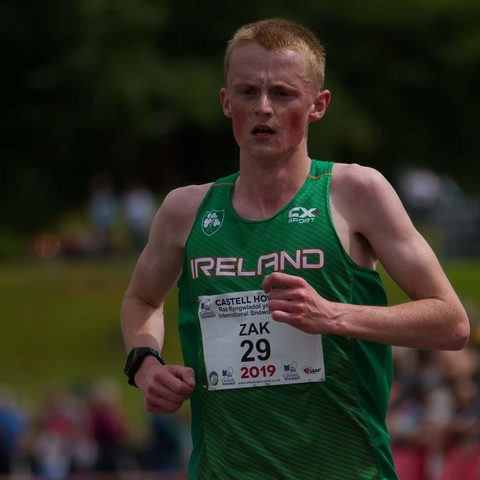
In Ireland Zak Hanna (below) explains “it’s beginning to hit home about the seriousness of this coronavirus outbreak. With St Patrick’s Day only happening this week it was very weird to see the towns and cities empty as people are opting to stay at home, as the pubs and restaurants closed therefore no street parties took place as they normally would. When pubs are closed in Ireland, then it’s definitely serious!”

48331165896 efcc9e48d0 b

“With two governments operating on the Island (Northern Ireland is headed by the British Government, the Republic has its own) there are two policies underway – the Republic has closed all schools, colleges and childcare facilities, whilst Northern Ireland is following the rules of the British government and keeping schools open, which has led to some schools in the latter closing anyway to protect staff and students.”

With race cancellations across the board and reduced training opportunities for many, we might expect to find many athletes feeling frustrated or even angry. However, the overwhelming sentiment amongst the athletes we spoke to was that in a crisis like this, running is put into perspective.


Sarah T Drei Zinnen

Sarah Tunstall (right), who lives in France but came back to the UK just before the borders were closed so that she could be close to family members who may need her, explains, “at the start of the pandemic I was quite frustrated by the races getting cancelled as it leaves a lot of our plans up in the air. However, in the last week it has been the least of my worries and in the bigger picture it pales into insignificance. Personally I will definitely struggle to cope with the situation without running as a release but racing is not a necessity and I will hugely appreciate it when I can race again.”

8X5W4940

The situation is also put into perspective by Andrew Douglas, who says “undoubtedly it is disappointing to see this having such a profound impact on races, but personally the effect it has on me pales in comparison to the much bigger issues facing society so ultimately it’s just about getting some perspective. I had my best ever season last year so that’s something I’m fortunate to be able to have at the back of my mind.”

Mimmi Kotka (left) sees the bigger picture too, saying “adjusting to new circumstances is part of being human, we need to deal with it. If you’re healthy, be grateful for that. And this is about doing what’s right, after all, running is a leisure activity”.

Similarly Natalie White (below), who is in Northern Italy, one of the most affected areas in Europe says, “doing our part is going to help not just ourselves but others. Some areas are allowing runners to go out, but close to home and solo. That in itself is a positive to be grateful for.”

Nats maxi

Francesco Puppi sums up how much this situation has put his running in perspective, saying “ We are allowed to go out only for essential needs. Running is permitted but only under particular circumstances. I am currently training, just at a slightly lower intensity than before. I think everyone in this situation should have the sensibility to understand if, when and how to run. It should be done with discretion and care. I think this is a time for silence in first place: a condition that has almost disappeared from our lives. This is a form of respect for those who are suffering.”

Balance is something that’s important to the athletes we spoke to. Normally their lives may be dominated by racing at certain times of the year but at the moment their motivation is different. They are running because it’s something they love and it’s also something which brings some normality to life when so many things are so unsure. Andrew Douglas says “Like most people, I have not experienced anything like this in my lifetime, so as much as my working environment is changing, my training at the moment is the one ordinary thing I can rely on for the moment in these extraordinary times”

2020 03 10 14.51.55

Camille Herron (left) in the US also points out the importance of maintaining some routine (where possible) for mental health: “maintaining my normal routine of running twice a day has helped me feel positive. I’m focused on getting in good mileage and remembering I still have goals in June and beyond. Exercise helps with physical/mental/emotional health, so I know it’s important to continue with my routine, while also mixing it up to keep it fun.”

Zak Hanna agrees: “I love running in general so finding the motivation to put on my shoes and head out is not a problem. I bring my dog along too so we both get into the outdoors which is the best place to be right now. I’m lucky to have a great group of friends to train with during sessions and on long runs so having these to look forward to is brilliant.”

It’s obviously of utmost importance to keep all training safe at the moment, to reduce the risk of spreading the virus and to limit the risk on emergency services. In France runners and hikers are being discouraged from going high in the mountains. Sarah Tunstall says: “In order not to clog up extra resources in hospitals we’re not allowed to go very high up into the mountains. The mountain rescue teams and workers who control the avalanches at this time of the year are also isolating so it makes the mountains especially dangerous.”

Wherever we are running Nancy Hobbs of the WMRA Council urges runners to practise social distancing. “It is challenging when running with someone else to not speak of course and the further apart you get from someone, the harder it is to communicate. However, doing track workouts with friends can be modified. No one running together and alternate rest with timing the next person running an interval. Being creative is the key.”

Camille Herron also suggests ways of staying safe and limiting risk: “I do trail runs with a friend in the area, so we’re trying to be respectful of social distancing while also being trail safe and running with a buddy in any remote areas. My husband goes with me at any remote locations he can drive/cycle. I’ve thought about running routes I’ve always wanted to run (‘solo/supported destination runs’- like running from town-to-town, or running from our house to the Sand Dunes). I thought about going for some of the famed trail FKTs, but I decided against doing it because of possible and unnecessary risk and burden on any emergency services if something happened to me.”

Camille also urges athletes to ask themselves daily ‘how do I feel?’ and work with that.  Maybe it isn’t a time to stick rigidly to a training plan, but to enjoy the outdoors and treat exercise as a way to benefit overall health.

Francesco Puppi also feels that it’s a time to reflect, “Do we really miss the routine we constantly complain of and that the virus forces us to rethink? How badly do we miss friends, relatives, people, in a society where our network of relationships plays out in a virtual square, where our connections gives us the illusion of a human contact, a hug? Silence will help me answer these questions I keep asking myself.”

And what if you’ve targeted a particular race and it’s been cancelled? Social media is full of angry runners who’ve had their A races taken away, but the athletes we spoke to have a much more positive take on the situation. “Training every day has been a part of my lifestyle for 20 years now (wow, I’m getting old!), so regardless of racing I would be putting in the time to train and workout. What keeps me positive is knowing that all of my hard work is not for naught. When the time does come to race, you can do so confidently because you have been given the opportunity to focus on training so that you can be as prepared as possible. Think of this time as just putting money in the bank; you may not be using it now, but it sure is going to come in handy later on when you make the deposit either in the fall or next year.” says Maria Dalzot.

Likewise Francesco Puppi’s spring season (including the Rotterdam Marathon ) has been turned upside down but he is philosophical about it: “it doesn’t mean that all the work I did has been wasted. I am still proud of what I managed, of the big effort I put into those 110-mile weeks, the sore legs, the long workouts. Of the improvements and setbacks I experienced in this journey. It’s just a matter of re-thinking our goals. Keep on running because this something we love and makes us feel good, even in the worst situation. This should be the main reason behind it.”

Max King sees race cancellations as an opportunity to do other things, “I’m looking at the positive at some races being cancelled so that I can tackle other projects such as FKTs, or getting a good solid base of training in for the summer race season if we’re able to have it. There’s so many ways to stay positive and look on the bright side when something like a race gets cancelled. Sure, it’s a bummer but there will be other opportunities soon enough.”

But as a race director (of the recently cancelled Bend Marathon) he also asks runners for their understanding in these difficult times: “people just don’t understand how hard that is for a race director. We’re not given a choice about cancelling and it’s not always possible to give everyone’s money back and still be able to have a race next year. We’re small businesses most of the time and we’ve worked all year to bring racers a unique experience. It’s not like all the work and expenses are on one weekend. I think people need to understand that.” 

The overwhelmingly uplifting response we got from the runners we contacted speaks volumes about our community. Nancy Hobbs points out that we need to look out for each other at this difficult time. “One of the most important things is to check in with your running friends, it’s crucial to support one another”. Andrew Douglas warns that “it can be easy to become overly anxious looking at your social media feeds with the sheer volume of posts about coronavirus; so I try to make a conscious effort to limit my access”. Looking after ourselves and each other will help us through this.

The last word must go to Zak Hanna, who said “The mountains aren’t going anywhere anytime soon, so just keep calm, weather the storm and we will all come through this. As the Irish Taoiseach Leo Varadkar said  “Let it be said that when things were at their worst, we were at our best.””

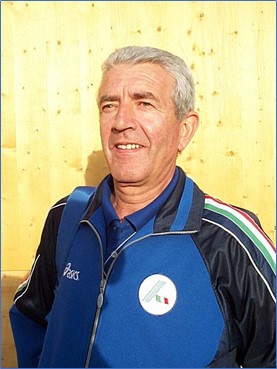
The World of Mountain Running mourns Raimondo Balicco

 It is sad news to report on behalf of the Italian athletics family and the World Mountain Running Association family that today saw the passing of Raimondo Balicco, 18 March 2020.

Raimondo was working since before the beginning of our organisation for the Mountain Running movement and was a founding member of the ICMR on 29th of September 1984 that would later became the WMRA. It was Raimondo who was the Technical Committee member for the ICMR and he became a Council member for the WMRA from 1985 until 2013. Following his retirement from the WMRA he was made a WMRA Honorary member.

Adjacent to his role for the WMRA he was the long time manager of the Italian mountain running national team, a position he held from 1985 to 2012.


Born in Mezzoldo, in the province of Bergamo, Balicco worked for the Forestale (Italian Forestry Police) as an athlete before making his fundamental contribution to the development of Mountain Running in Italy and the World.

As the Manager of the Auzzuri blue Italian teams, he led them to numerous World and European successes. He also held the office of Mayor of his hometown.

The condolences of the WMRA Council members both past and present go out to the family of Raimondo Balicco, he was 77 years old.


You Can Be Good In The Hills And On The Flat: Interview With Zak Hanna

We’re learning a bit more about the athletes on the WMRA athletes’ commission at the moment. We spoke to Irish runner Zak Hanna, who finished 6th in the 2019 World Cup despite, incredibly, only having taken up running at the end of 2015. He’s a very exciting young talent and it will be great to see how he continues to progress in the sport in 2020 and beyond. 


 Can you tell us a bit about how you got into running initially? 

Growing up I was a keen showjumper and cyclist through my parents. The only running I did was in high school where I was on the school cross country team; it wasn’t until Christmas 2015 I made the decision to try out running after 11 years as a cyclist, which was becoming less and less enjoyable for me. Best decision I ever made!

And how did you get into mountain running?

As a cyclist I loved going up long, steep climbs, so it has transferred nicely into my running. I live on the side of a mountain called Slieve Croob where I live in Northern Ireland, so running up and down hills is the natural terrain for me wherever I go, whether it is on tarmac or off-road. I often read about the local fell races in the local papers every week, long before I started running, but I never once thought that I’d be doing that. Road running is boring and the excitement mountain running brings is another reason as to why I started the sport.

48884124308 ed4095bc34 b

Zak at Smarna Gora 2019

Who were the runners that inspired you when you were growing up and who continues to inspire you today?

When I was younger I was completely out of the loop as to who the top runners where at the time, so it’s impossible to say who I admired as a runner growing up. Now that I am running I have always looked to John Lenihan, Ireland’s 1991 World Champion, Kenny Stuart and Robbie Bryson as inspiration for training and racing. I have been fortunate to meet John twice and it was incredible hearing all the stories of the success he had when he was active. Kenny Stuart is mentioned for obvious reasons; a class act and, like the other two, a true legend of mountain/fell running. 

The stuff Jim Walmsley is doing at the minute is inspiring, from winning Western States to the World Long Distance Mountain Running Championships to hopefully securing a place on the US team for the Olympic Marathon – he, along with Kenny and John, have shown you can be good both in the hills and on the flat, which is what my coach keeps preaching to me and the evidence is there to prove it!

Are you a full-time runner or do you have a day job as well? 

I wish I was a full-time runner! Instead I work for a car leasing company as a car valeter and driver. I would love to be able to focus more on my running but that is something I am working on. I’m still young and I don’t to waste the time I have as a runner not doing the stuff I want to do.
IMG 20191230 210859 884

What’s the running scene like in Ireland? Is hill/mountain running a big sport there? Can you tell us a bit about your local area and your favourite place to run? 

Running is a massive sport in Ireland, and hill/mountain running is certainly growing; although it doesn’t receive the same support as track or road running. More and more people seem to be switching to off-road which is great to see, with the Irish and Northern Irish Championships due to start soon. Locally my club Newcastle AC run a weekly hill running series called the Hill & Dales, and every year these get bigger and bigger which shows the popularity it has. 

As I mentioned earlier I live on the side of a mountain in Northern Ireland. It is a great training ground as I am surrounded by hills, both on and off-road. I also live close to the Mourne Mountains which are great for getting longer mountain runs done, and there are two great forests nearby called Tollymore and Castlewellan which are fantastic to run in when the weather isn’t favourable, and there is no shortage of hills in them either.

FB IMG 1581862973950

You obviously had a great year in the World Cup in 2019! What races are you targeting this year and do you have any big goals you can share with us?

I’m targeting certain World Cup races this year, as well as aiming for selection for the Irish team for the European and World Championships. I’m aiming to be on the start line for Sierre-Zinal in August, it was too tempting to say no to it this year so I am looking forward to the preparation for the race. Ultimately I just want to keep progressing in the sport, make the most of all the opportunities that I am presented with and to keep on enjoying the journey.

48331165896 efcc9e48d0 b

Zak on his way to 4th place at the 2019 Snowdon Race

Why did you decide to volunteer to go on the athletes’ commission? 

I was encouraged to apply by a few runners at home, and I decided to go ahead with it and see what happened. It was good to be invited on board and it’s great to be in it amongst other top mountain runners who all want to have a positive impact on the sport.

What developments would you like to see in mountain running in the future? 

Since I started running 4 years ago mountain running has had so many developments take place – as long as it continues to grow in popularity in both Ireland and across the world then it is in a good place. It is interesting to hear other people’s opinions on how they want to see the sport develop; it allows you to hear other ideas that you may not have thought of before, and also create new ideas of your own. Races like the Youth Cup are great for bringing on the next generation of mountain runners and I think this is vital for the future of mountain running to ensure that it can keep growing for a long time to come.

The 2020 World Championships Take Shape!

The WMRA recently travelled to Lanzarote to inspect the courses for this year’s World Championships and to work out the details with the organisers. We’re pleased to bring you some more information on the 2020 World Mountain Running Championships and World Long Distance Mountain Running Championships.  An important point to note is that World Mountain Running Championship Classic distance races are to be held on Friday 13th November and the World Long Distance Mountain Running Championship races will be held on Saturday 14th November.

 During the visit a representative from the WMRA met with the local organising committee and inspected all courses, including start and finish areas. Accommodation and transport options for teams were discussed (4 nights accommodation will be offered to teams), along with rules and full schedule. Here’s some useful information that was confirmed in the meeting.

IMG 20200218 3

Here’s the full provisional schedule for the event (the final timetable will be published in the team manual): 

Day Time


Tuesday 10th November All day Early arrivals
  All day World Championships (WCh) and World Long Distance Championships (WLDCh) courses visit
Wednesday 11th November All day WCh and WLDCh teams arrive – accreditations
  All day WCh and WLDCh courses visit
Thursday 12th November All day Late teams arrival
  All day  WCh and WLDCh courses visit
  9.00 – 12.00 WMRA congress 
  15.00 – 15.30 Press conference
  16.00 – 17.00 WCh and WLDCh technical meeting
  18.00 – 19.00 WCh and WLDCh opening ceremony (Haria Square)
  20.00 – 21.00 VIP reception
Friday 13th November 8.00 Open races (junior and senior courses)
  10.00 WCh Race – start junior women (Haria)
  10.30 WCh Race – start junior men (Haria)
  10.45 WCh Race – start women (Caleta de Famara)
  11.30 WCh Race – start men (Caleta de Famara)
  17.00 – 18.00 WCh award ceremony (Haria Square)
Saturday 14th November 10.00 WLDCh race start (Haria)
  10.20 Open race start
  17.00 – 18.30 WLDCh award ceremony and closing ceremony (Haria Square)
  20.00 – 24.00 Farewell party (Haria)
Sunday 15th November All day Teams depart

Technical information about the courses: 

  Classic Classic Long Distance
  Senior men and women Junior men and women Men and women
Length 13km 4.7km 44km
Total ascent 750m 380m 1900m
Total descent 125m 30m 1900m
Start location Caleta Famara Haria Haria
Start altitude 5m 280m 280m
Finish location Penas del Chache Penas del Chache Haria
Finish altitude 630m 630m 280m
Terrain – asphalt road 1km 1.5km 4.5km
Terrain – tarmac road 2km 0.5km 5km
Terrain – 4WD road 1km 0.5km 12.5km
Terrain – meadow 0km 0km 0km
Terrain – mountain path 9km 2.7km

23km

Course profiles

Junior course:

junior course

Senior course: 

senior course2

Long course: 

long course

Running In The Family: An Interview with Scout and Jacob Adkin

Most mountain runners would admit to being pretty competitive people. Whether it’s racing or training, many thrive on having others to pit themselves against. And if your brother or sister is also a keen runner that adds a whole new dimension – sibling rivalry! Brother and sister Jacob and Scout Adkin grew up in Scotland and soon discovered a love of the hills. Scout has regularly represented Scotland in mountain running and was the UKA Junior Mountain Running Champion. In 2019 she finished 8th in Trofeo Vanoni and 6th at the International Snowdon Race. Jacob, having also enjoyed success as a junior, won the European Mountain Running Championships in 2019 and finished 8th in the World Championships in the same year. Both Scout and Jacob will be targeting the WMRA World Cup this year. We spoke to them about their sporting backgrounds and how they’ve always encouraged each other.
 
Did your parents actively encourage sports when you were growing up or did you get into sport independently?

Scout: We were an active family growing up trying out a mixture of sports, which our parents would always encourage us in. We were both competitive swimmers racing for our local club and representing our school in various sports before we started focusing more on running.
Jacob: We were always an outgoing family, there would be very few days on any holiday when we weren’t doing some sort of sporty activity. Our parents always encouraged us to do sport, try out new things and be open to helping us be involved in whatever activity we fancied. It felt like a very natural progression as I grew up, dabbling in different sports until finally committing to running.
 
Scout Jacob
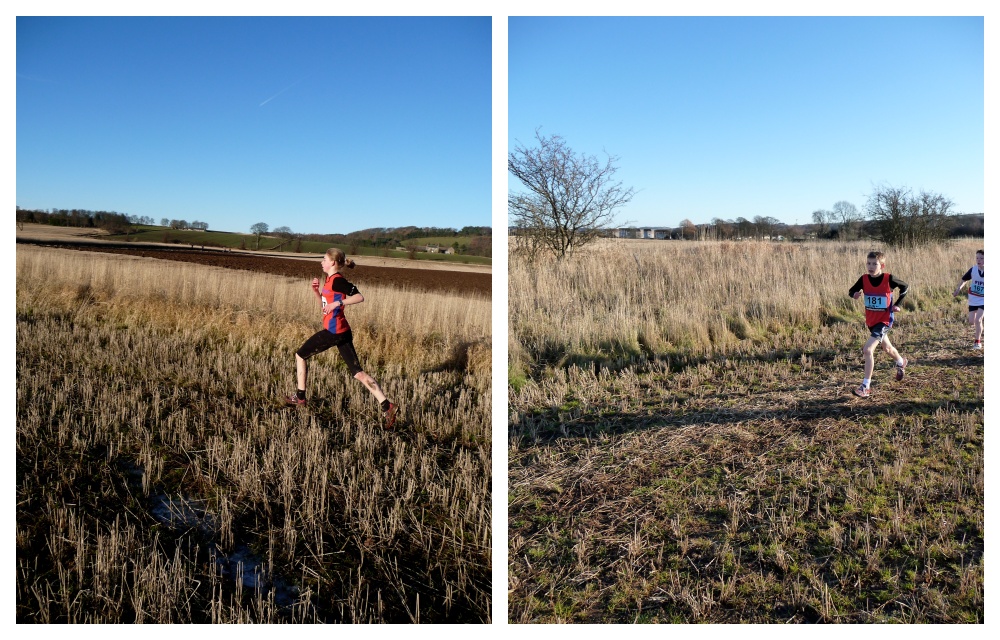
Early forays into East District cross country
 
How did you both get into running specifically?

S: I did some running through my primary school and was selected to run in the school team at a few events. There is a popular local race called The 3 Bridges Race that we both took part in for quite a few years when we were younger and it was after these that we both started taking running more seriously.
The idea of being able to get somewhere faster than walking always appealed to me – why walk when you can run?! As Jacob said, I think it did turn some of our family walks into races (Mum and Dad got good at power walking). I always remember on family holidays when we were looking at a book and choosing a walk route to do we would always pretty much halve the time it said the walk would take!!
J: From a young age we were both very good at turning family walks in the hills into running sessions! Sprinting up and down the hills, wanting to reach the top quicker, but still wary of straying too far from our parents. In a formal sense though, I followed Scout to the local club’s training sessions, and enjoyed running with the school team towards the end of primary and into secondary school. My first motivation for getting better at running was wanting to be accepted into a team Scout had begun, which had won a local relay race for a few years in a row (The 3 Bridges Race)!
 
Jacob at local 3 Bridges Race 2
Jacob at the 3 Bridges Race
 
When did you both start hill running (as oppose to track/road/cross country etc)?

S: In 2008 when I was 15 years old. I had been competing on the track and cross country for a few years by then but in 2008 I did my first hill race – which happened to be the Scottish championships. I really enjoyed it and did surprisingly well so I decided to focus more on the hills. …And it made sense as the local hills were at the top of our road. This was where we ended up spending many hours doing gruelling hill session on (The “Hell Reps” session was most definitely not one of the preferred sessions!).
 
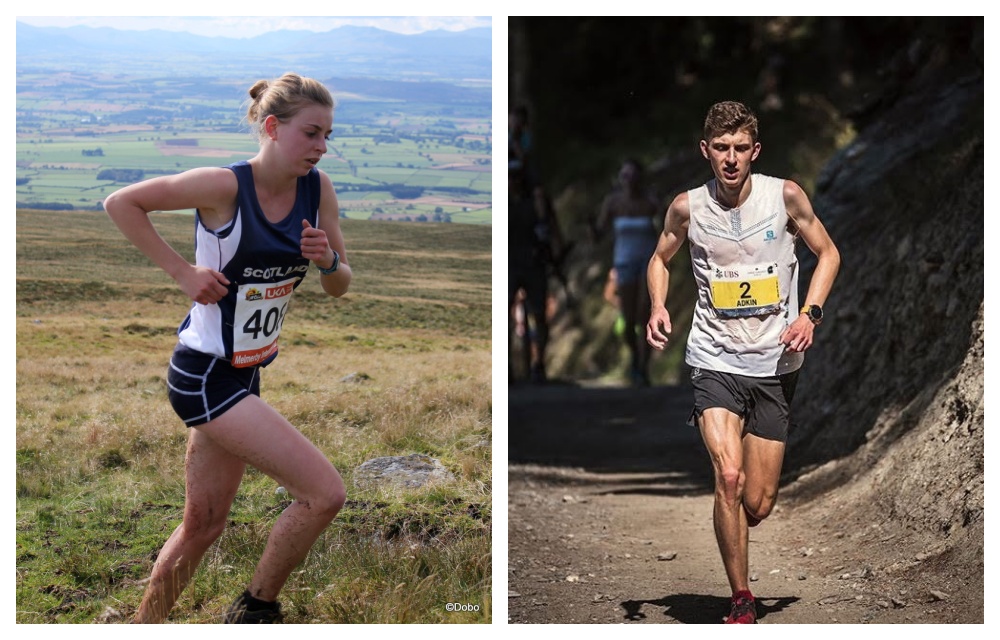
Scout on Skiddaw Lake District in GB Trials 2013
Scout on Skiddaw in the GB trials, 2013

J: The hills and trails started just at the top of the road we lived on, so it was a natural place to go for runs. However, I was still at that stage of just wanting to run really fast, so it was actually with some reluctance that I took part in my first hill race – Scald Law, a junior race part of the renowned Carnethy 5 hill race just outside Edinburgh, Scotland. My small size was no match for the harsh wintry conditions and this, I’m ashamed to say, put me off hill running for a year or two! Still enjoying track and cross-country running into mid-teens, I then made a second foray into the hill racing scene (in more sympathetic conditions) and took a liking to it this time.
 
Scald Law Junior Hill Race 2008
Jacob at a wintry Scald Law in 2008
 
What was it about hill/mountain running that really appealed to you?

S: The challenge that the mountain brings and the reward when you reach the summit. It makes you appreciate your surroundings.
Battling the elements – the weather can always be an extra challenge.
The release and freedom it gives – to get away from the busy modern world, to clear your head, get some peace and quiet and see some amazing places
J: At the beginning, it was something that I felt I was doing better at and enjoyed a lot, but then because of this my all-round running improved, and I believe it was important in keeping a healthy outlook on running. Hill running has a great way of keeping you ‘grounded’ – the hills are always the boss, rule #1. It does a good job of helping you maintain perspective on things and offers a place to feel much more alive than on a road or track. Finding hill running has meant seeing so many amazing places and experiencing unforgettable opportunities I would otherwise have missed out on.
 
Scout and Jacob 2
Scout at the British Hill Championships, 2012 (left) and Jacob at Sierre Zinal, 2018 (right, image by Evan Davies)

Was there sibling rivalry between you when you were younger? Do you think it helped you to have a sister/brother to push you?

S: Yes – there was always the pressure of my younger brother getting faster than me! It sometimes felt like any sport I tried, he then tried, and he always seemed to end up better than me! However, it did give me that determination and self-motivation to always try to improve and become better.
Yes – it motivated us, especially once we both started structured training plans (thanks to Gregor Nicholson who was our coach) and we had races to aim for. You always wanted to be first and be the better one!
J: I think it was only natural that I wanted to beat an older sister! Scout was a great role model for me though and motivated me to keep working hard at running and other things in life. As there wasn’t that many around us that took part in this discipline too, I think it really made a difference to have Scout there to be inspired by.
 
Our local hill Cademuir at the top of our road growing up
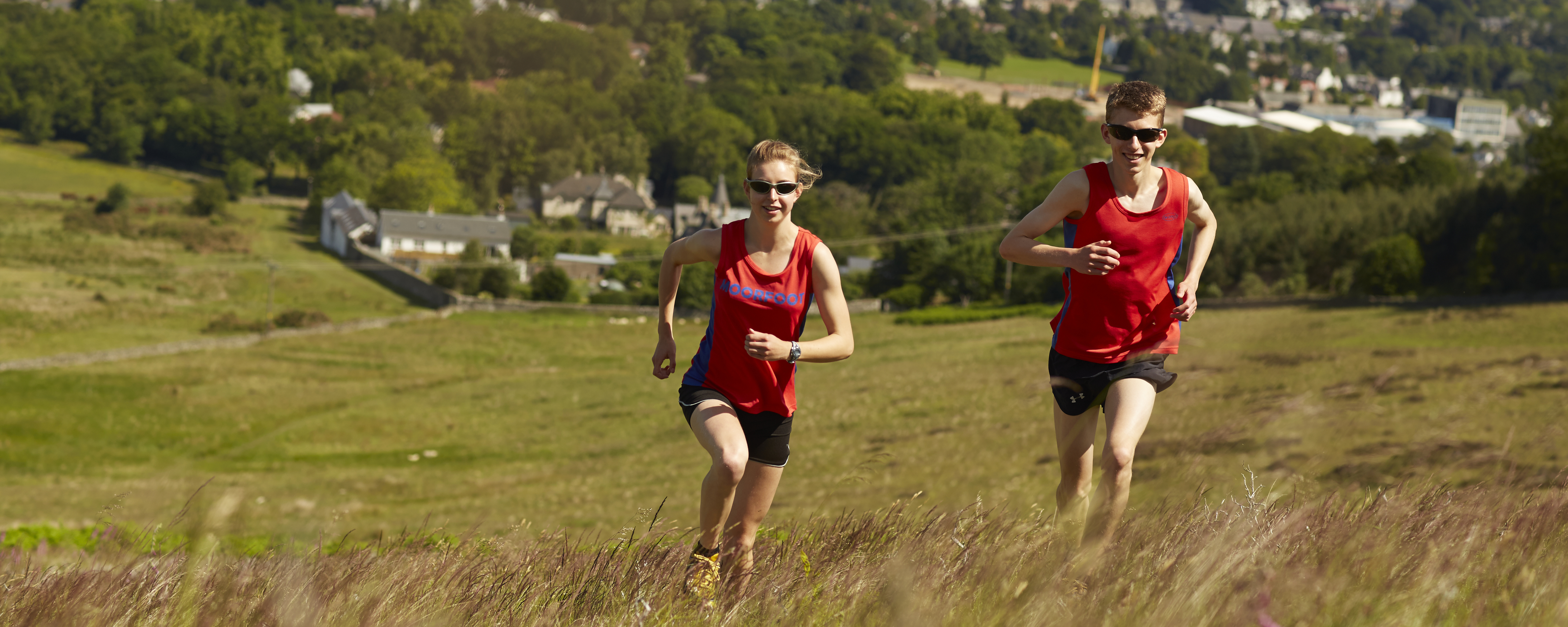
‘I’m smiling but I’m going to take you down’ – some sibling rivalry on their local hill, Cademuir, where they grew up

Do you ever run together now? Does it ever get competitive?

S: Very rarely – Jacob spends a lot of time in Europe now. Normally Christmas day is a regular once a year run together. Less so now, but it’s now more me hanging on and trying to keep up and the determination that I will not give in and ask him to slow down!
 
Christmas Run 2
Scout on the traditional Adkin Christmas run

J: Not often as we don’t live near each other for most of the year, but when our paths cross, we’ll head out together. Hopefully it will occur more this summer when our race calendars coincide. In terms of competitiveness, it’s not too strong anymore but, I can’t lie, there’s always going to be that inner voice urging me to win the small battles during a run together!

What are the main differences between hill/mountain running in Scotland and running in places like the Alps/Pyrenees?

S: The mountains are bigger!!
 
Scout at Snowdon International 2013

J: The mountains of places like the Alps are of course much bigger than those in Scotland, but one of the big differences between the two is the physical experience of running in them. The alpine mountains are a haven for trail running, paths are plentiful, and it would be very strange if you did not see another person on your run. They offer jaw-dropping panoramas around every corner even after a relatively straightforward climb up on good trail. The mountains in the north of Scotland offer up equally spectacular views, but I’ve found only after a more challenging journey to reach them. There’s often only a small path or no path at all, and no regular fellow hill-goers to maintain your confidence that you’re not lost either. They’re a haven for solitude and fortitude (the weather can be interesting on occasion…).
 
Euro Champs 2019 EuroAthletics
Jacob winning the European Mountain Running Championships in Zermatt, 2019 (photo European Athletics)

What events in this year’s WMRA World Cup are you really looking forward to?

S: This is the first year I will be competing in the World Cup series so I am just looking forward to racing in different countries against top class athletes. The one I am most looking forward to Sierre-Zinal, I have heard good things about it.
J: It’ll be great to try some of the new races in the World Cup calendar, and I am particularly looking forward to Grossglockner (the scenery looks unreal) and the Chiavenna-Lagunc Vertical Uphill race.
 
Scout and Jacob 3
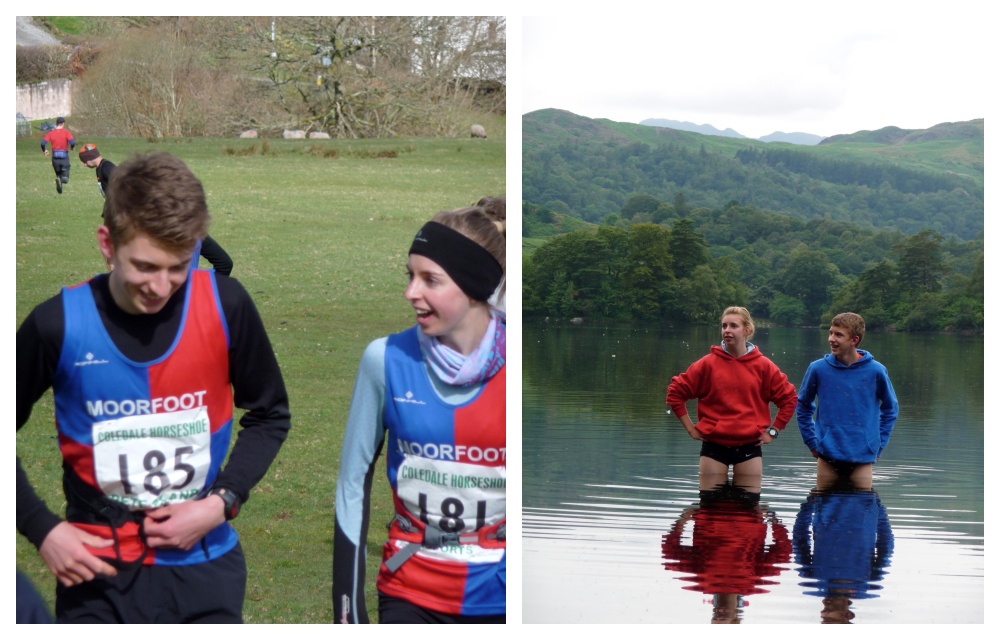
Together at the 2015 Coledale Horseshoe Race and enjoying a ‘Lake District ice bath’ post Ambleside Sports

Any Surface Available: Interview With Francesco Puppi

He won gold in the 2017 World Long Distance Mountain Running Championships and his epic duel with Jim Walmsley in the 2019 race was one of the highlights of the event. But Francesco Puppi is just as happy to take on a vertical uphill race or a 5k on the road. We learn more about this incredibly versatile Italian athlete.

Can you tell us a little about how you first got into running when you were young?

My story is really much alike that of any kid that gets into running at a young age. I was six years old when my parents signed me up at the local track and field club. I joined because my older cousin Martina was enjoying it and I thought I might give it a try. It was pretty much all about having fun and playing around, running as fast as I could.

I remember watching the IAAF World Athletics Championship of Sevilla 1999 on TV and that’s when the fire was kindled: Haile Gebrselassie, Hicham El Guerrouj, Michael Johnson, Cathy Freeman, Maurice Green were my early heroes.

During my childhood I liked jumping hurdles and I thought I might become a 400m hurdler. Then I soon developed a passion for distance running. I was not particularly good at it, I never won a race at a young age, but its magnetic attraction was telling me that this was my road to follow.

Who were the runners that really inspired you when you were younger?

When I was very young I was really inspired by Paul Tergat. I liked his stride and his style of running, from the track to the marathon. One day I got to see him training in Iseo, in Northern Italy, where his training camp was based. A few months later I even got a chance to speak to him over the phone! My dream was to follow his footsteps and to become a marathoner.

I was also inspired by Stefano Baldini’s Olympic gold in the marathon in Athens 2004. I started reading about training and athletic preparation after his achievement: I looked for magazines and books to learn about professional runners and read their training logs.

Closer to me, I remember there was a group of older guys who used to train at the same track where I went to practice, doing workouts I thought I’d never be able to do. It was just cool to watch them and to look up to them, wondering if in a few years I might reach them.

You love to run on ‘any surface available’! In the past most runners have specialized in one area. There seems to be a new generation of runners (particularly in America, thinking of the Olympic marathon trials) who are taking the same approach as you. Do you think this will happen more and more?

Yes, I think a great performance in mountain running comes from running fast on any surface. A mountain runner must be able to perform well on the flat, from the roads to cross country. Several of my teammates have pretty fast PRs on 10k or half marathon. That doesn’t mean they are not specialized in mountain running, but that they are able to produce quality performance on any surface.

I spend more time training on the track than in the mountains, both in the winter and in the mountain running season. I also train on a 5km (almost) flat road loop that I use to prepare virtually any race, from half marathon to classic mountain running.

Puppi aid1

It’s great to see more and more mountain runners (especially in the US, where the track background of an athlete is usually more important and comes from college) switching from the mountains to the roads and putting themselves on a challenge on any surface. I would like to see the opposite too, which probably happens less often.

I think it’s really interesting to follow what Jim Walmsley is doing to prepare the Olympic Trials. Apart from causing a Letsrun.com forum meltdown he’s really brave and inspiring for me. I wish him all the best for the trials.

As a runner I really like your blog and your Instagram because you are so honest! There are no excuses and you are clear about whether you’ve put in enough hard work to get the result you want. Do you think your training as a physicist makes you quite scientific about your running training?

Thank you! I think trail and mountain runners in general need to realize that, as part of athletics, our sport is about running fast on the trails. It’s that simple, but really not always clear to everyone. There are no shortcuts to that.

I think my scientific background has an influence on the way I approach sport and life in general. Physics seeks an explanation to natural phenomena and is based on a few, simple yet very powerful ideas. To uncover the meaning behind the nature of things is its goal, and that’s what made me love it and why I decided to study it at university. Running, though, is different for me, it has a more artistic expression and sometimes escapes the explanation of reason. I see it as a part of my personality and a moment of creative energy. Of course, I try to have a rational/scientific approach to training and racing, but the romanticism and feelings that running gives me cannot always be explained in these terms. It’s the genius and the harmony of a primordial form of locomotion, of the most spontaneous action a man can do that are just beautiful.

At the World Long Distance Mountain Running Championships in Patagonia in 2019 you had an epic duel with Jim Walmsley. It was an incredible race to watch. Is that where you are at your happiest – duelling with one of the greatest long distance runners in the world?

Yes, I think the rivalry that some competitions feature really is the spice of our sport. What’s the point of competing then? I always try to find a story and a meaning behind each target race. It’s important for me to live it in a very personal and emotional way. That’s why I was at my happiest running with Jim. My motivation to compete at the World Championships in Patagonia grew when I learned that he would be there. We created something inspiring and enthralling for at least three hours, I believe. His talent stood out and I was the best I could possibly be in that particular day.

Lunghe distanze 081

You and Jim Walmsley seem to have a great respect for each other. Do you speak to each other about your training?

We had a few exchanges of thoughts in Argentina. And we spy on each other training sessions on Strava [Ed: here’s Francesco’s and here’s Jim’s]. What always strikes me is how much quality volume he’s able to withstand. Of course he’s a professional runner, while I try to balance working as a high school teacher with my semi-pro activity, so I cannot really compare to him. But there’s always a lot to learn from great, more experienced athletes. I have great respect and admiration for him.

Take his result at Sierre-Zinal (3rd place in 2h31’) last year for example: it might (comprehensibly) have been eclipsed by Kilian’s performance but it was a huge, huge achievement, only six weeks after setting Western States 100 mile record. His versatility is impressive, it’ll be interesting to see what he can do in Atlanta in a couple of weeks.

What key races are you targeting this year?

The main target will be Sierre-Zinal, a race that inspires me unlike any other in the world. I hope to get in peak shape for August 9th and to fight for the win. I also want to run well at Pikes Peak Marathon because I really liked the course and the experience last year, and because Peter Maksimow would be proud of me! The American atmosphere is cool and Colorado’s trails are amazing. I’m also planning to compete in shorter races in the WMRA World Cup.

 D854536

You have shown us you can do any distance on any surface! What are the races or adventures you would love to do in the future?

I’d love to have more time for training and racing. There’s nothing else I could ask for right now. I think the biggest margin of improvement would come if I had more time to rest properly and train with enough time, instead of having to squeeze a workout between work hours or a recovery run during lunch break.

In the future I’d love to explore a few places in a self-propelled way: Alaska and Patagonia above all. It’d be cool to plan an adventure there, running and cycling without having an impact on the environment. But that’s something I will do after I achieve my full potential as an athlete, so I really don’t know when and if it’ll happen!

37135676 2064254493608222 2161820077035356160 n

WMRA World Cup 2020 Announcement

The World Mountain Running Association is proud to present its 22nd edition of the original and most prestigious mountain running circuit in the world, which now expands to 12 races held at 9 iconic venues spread across Austria, the Czech Republic, Italy, Switzerland, Spain and the USA.

(Spanish language version of news article below this one)

WMRA MOUNTAIN RACES HISTORY: 1985-2020

WMRA created the first Mountain Running World Championship in the history of the sport, back in 1985 with the Vertical Mountain Race held at the Italian village of San Viglio di Marebbe over a 14k/D+1.080m route. Ever since, the WMRA World Champs have been the annual highlight for mountain runners with the 35th edition held last November at the iconic k42 Patagonia. Haria Extreme Lanzarote will host the 2020 edition on November 14-15. 

 Following the World Championship development, the need for a circuit for the best mountain runners to race each other over the year became evident and thus in 1999 the WMRA WORLD CUP was born.

Ever since, the best mountain runners in the world have always been in the top echelons of the WMRA World Cup. From the legendary 8-time winner Jonathan Wyatt from New Zealand (current WMRA President) to icons such as Italians Marco de Gasperi, Kenyan Lucy Murigi, Austria’s Andrea Mayr or Eritrean Petro Mamu.

Highlights of the 2019 season included the World Cup wins from Scotland’s Andrew Douglas and Ireland’s Sarah McCormack, plus the historic duel at Sierre Zinal between Spaniard Kilian Jornet and Eritrean Petro Mamu, which resulted in victory for Kilian and a new record to replace Wyatt´s legendary mark from 2003.

Now, the 22nd edition is growing further and wider than ever: Not only will Spain host WMRA world cup events for the first time in history, but there will now be three types of race to choose from: the vertical uphill, classic mountain race and long mountain race. Runners amass points to compete for the overall title.

THE 2020 CALENDAR:

After considering all the applications, we are proud to announce a unique combination of races which will make up the 2020 World Cup, allowing not only for the best mountain runners of the world to race together, but also for the popular runner to follow in their footsteps and enjoy some of the greatest mountain views and events in the world.

zumaia flysch trail 2016 fotos

Zumaia Flysch (copyright Mayayo)

Spain kicks off the series in grand style, with the unique Basque passion for mountain running to welcome mountain runners from all over the world at Zumaia Flysch Trail Mendi Maratoia on the 3rd of May. There will be a long mountain race, with 42k with 3000m of ascent, and also a classic mountain race of 14k with 425m of ascent. http://www.zumaiaflyschtrail.com/

Next we travel to northern Italy for Vertical Nasego and Trofeo Nasego. On the 16th May the vertical uphill race will take place, over a distance of 4.2k and the following day the classic mountain race will be contested over a 21.5k course with 1336m of climbing. http://www.trofeonasegocorsainmontagna.com/

After making its debut in 2019 we will again return to the Broken Arrow Skyrace in Squaw Valley, California. The series of races span 3 days, from 19th to 21st June, but it’s the 26km race, with 1700m of ascent, which will form part of the World Cup Series as a long mountain race. The race describes itself as ‘European-inspired mountain running characterized by off-trail scrambling, steep terrain, and massive amounts of vertical gain and loss’ and the majority of it takes place at over 6000 feet. https://www.brokenarrowskyrace.com/

 wisthaler.com 17 07 viking glockner HAW 0996

Grosslglockner

The next couple of races look quite familiar. We return to Grossglockner Berglauf in Heilenblut, Austria on the 12th of July for the next classic mountain race. Runners will take on the 13k race with 1265m of uphill (no down) against the stunning backdrop. http://www.grossglocknerberglauf.at/berglauf.html Then it’s back to the iconic Sierre-Zinal in Switzerland, which provided such an incredible race in 2019. It takes place on the 9th August in 2020 and consists of 31km, making it our next long mountain race, with 2200m of ascent. Will we see records tumble again? https://www.sierre-zinal.com/

Then it’s on to the most northern part of the Czech Republic for the Krkonossky Half Marathon. This race is just a week after Sierre-Zinal and it will be our next classic mountain race, at 21k with 1200m of climbing. http://www.maratonstav.cz/

Technical Mountain running at Canfranc Canfranc 2019

The rugged Canfranc-Canfranc course (copyright Mayayo)

And for the final long mountain race in our series we go to Canfranc in north eastern Spain in the Pyrenees for Canfranc-Canfranc. This rugged race will take place on the 12th and 13th of September and the runners will have a choice between the 45k (and +3910m) long mountain race or the classic mountain distance with 1195m of ascent. https://canfranccanfranc.com/

Then just a week later the World Cup is off to Nordkette Vertical in Innsbruck, Austria, which is described as ‘the jewel in the Alps’. This vertical uphill race takes place on the 19th of September and actually has 1400m of ascent over its 6k route.

Lastly, we round out the 2020 World Cup with one more vertical uphill race on the 4th October – the Kilometro Verticale Chiavenna-Lagunac in Italy. This classic of Italian mountain running has already been a WMRA affiliated race and it’s known as the ‘vertical race of the records’. We’re sure it will live up to that name now it’s part of the World Cup! http://www.kilometroverticalelagunc.it/

So there are 9 events with 12 possible races to choose from – 3 vertical uphill, 5 classic mountain and 4 long mountain. We will update the World Cup website http://www.wmra.info/world-cup with full information so please keep checking back and follow our Facebook, Twitter and Instagram accounts to keep up-to-date.

Spanish language version: 

Copa del Mundo Carreras de Montaña WMRA 2020.  (22ª edición)
España será protagonista, acogiendo 4 de sus 12 pruebas en Zumaia Flysch y Canfranc-Canfranc.
 
La World Mountain Running Association ha presentado hoy la 22ª edición del circuito original y más prestigioso de carreras de montaña del mundo. En 2020 la competición crece hasta acoger 12 carreras que se celebrarán en 9 lugares icónicos, sedes repartidas en Austria, la República Checa, Italia, Suiza, España y EE.UU. La Copa del Mundo WMRA 2020 cuenta con tres modalidades: Vertical Mountain Race (3 citas); Classic Mountain Race (5 citas) y Long Distance Mountain Race (4 citas)
 
HISTORIA CARRERAS DE MONTAÑA WMRA: 1985-2020
La WMRA creó el primer Mundial Carreras de Montaña en la historia del deporte. Fue en 1985, con la Vertical Mountain Race celebrada en el pueblo italiano de San Viglio di Marebbe sobre un trazado de 14k/D+1.080m. Desde entonces, cada Mundial WMRA ha supuesto el punto culminante anual para los corredores de montaña. La 35ª edición celebrada el pasado noviembre en la icónica K42 Patagonia supuso tambien el debut de la selección española RFEA que logró tres medallas en la modalidad Long Distance (22-42km), con oro para equipo masculino, plata para equipo femenino y bronce individual para Oriol Cardona. Para este 2020, España acogerá la sede del 36º Mundial, a celebrar en la Haria Extreme Lanzarote del 14 al 15 de noviembre con las modalidades Vertical y Long Distance.
 
A medida que avanzaba el desarrollo del Campeonato Mundial, se hizo evidente la necesidad de un circuito estable para que los mejores corredores de montaña compitieran entre sí durante el año. Para dar respuesta a esta necesidad nació en 1999 nació la Copa Mundial de la WMRA. Desde entonces, los mejores corredores de montaña del mundo siempre luchad por ganar esta competición. Desde el legendario Jonathan Wyatt de Nueva Zelanda, que sumó nada menos que  8 títulos (y es hoy día el actual presidente de WMRA) hasta íconos como los italianos Marco de Gasperi, la keniata Lucy Murigi, austríaca Andrea Mayr de Austria o el eritreo Petro Mamu.
 
Lo más destacado de la temporada 2019 incluyó las victorias en la Copa Mundial del escocés Andrew Douglas y la irlandesa Sarah McCormack, así como el histórico duelo en la prueba suiza de Sierre Zinal entre el español Kilian Jornet y Petro Mamu, que terminó en victoria de Kilian y nos dejó por fin un nuevo récord  que mejoró la legendaria  marca del propio Wyatt en 2003.
 
Esta 22ª edición de la Copa del Mundo llegará más lejos que nunca: Por primera vez tendrá parada en España.  Y también por primera vez pondrá en juego títulos para las tres modalidades habituales del Mundial WMRA: Vertical Mountain Race, Classic Mountain Race y Long Distance Mountain Race. El gran título final será la Combinada, donde puntún los resultados logrados en las tres modalidades, con el fin de coronar al corredor de montaña más completo del mundo.
 
EL CALENDARIO COPA DEL MUNDO 2020:
Después de considerar todas las candidaturas, WMRA se siente orgullosa de lograr una combinación única de carreras de montaña que formarán la Copa Mundial 2020, permitiendo no solo que los mejores corredores de montaña del mundo compitan juntos, sino también que los corredores populares sigan sus pasos y disfruten de algunas de las mejores vistas y eventos de montaña del mundo.
 
España arranca la serie con la pasión vasca por las carreras de montaña por bandera. Así darña la bienvenida a los corredores de montaña de todo el mundo en Zumaia Flysch Trail Mendi Maratoia el 3 de mayo. Habrá una Long Distance con 42k/D+3000m, y también una Classic con 14k/D+425m de ascenso. http://www.zumaiaflyschtrail.com
 
Luego viajamos al norte de Italia para vivir la Vertical Nasego y Trofeo Nasego. El 16 de mayo tendrá lugar la carrera Vertical, sobre 4.2k/D+1000m y al día siguiente la Classic sobre 21.5k/D+1.336m. http://www.trofeonasegocorsainmontagna.com/
 
Después de hacer su debut en 2019, volveremos a Broken Arrow Skyrace en Squaw Valley, California. Un gran evento que abarca 3 días, del 19 al 21 de junio, pero es la carrera Long Distance 26k/D+1700 m de ascenso, que formará parte de la Serie de la Copa Mundial, a la vez que acogerá el Campeaonato Nacional de Estados Unidos. La carrera se describe a sí misma como “una carrera de montaña de inspiración alpina, caracterizada por una lucha fuera del sendero, por terreno técnico y grandes neveros”. La mayoría del trazado discurre a más de 2.000m de altitud en lo fuera la estación de esquí olímpica de Squaw Valley. https://www.brokenarrowskyrace.com
 
Las siguientes dos carreras son ya veteranas del circuito: Regresamos a Grossglockner Berglauf en Heilenblut, Austria, el 12 de julio para la próxima carrera Classic. Los corredores se enfrentarán a la carrera de 13 km con 1265 m de subida (sin descenso) contra el impresionante telón de fondo de la ascensión a la montaña más alta de Austria. http://www.grossglocknerberglauf.at/berglauf.html/
 
La carrera de montaña con más nivel del mundo será la siguiente cita: La  icónico carrera de Sierre-Zinal en Suiza, celebra su 47 edición con más de 4.000 dorsales en juego. La edición 2019 será recordada muchos años por el doble record lografo por Jornet y Mahtys. Este 2020 se correrá el 9 de agosto de 2020 sobre su clásico trazado de 31k/D+2.200m. https://www.sierre-zinal.com
 
Luego viajaremos al norte de la República Checa para el Medio Maratón de Krkonossky. Esta carrera es solo una semana después de Sierre-Zinal y será la siguiente Classic, sobre una traza de 21k/D+1.200m http://www.maratonstav.cz
 
La última carrera de montaña Long Distance y Classic del circuito tendrán lugar de vuelta a Espàña, en el espectacular marco del Alto Aragón que ofrece la Canfranc Canfranc con sus dos pruebas trepando hasta casi tres mil metros de altitud en pleno Pirineo Central. Las pruebas tendrán lugar los días 12 y 13 de septiembre y los corredores podrán elegir entre la carrera de montaña Long Distance de 45k/D+3910m o la Classic sober 16k/D+1195m. https://canfranccanfranc.com
 
Tan solo una semana después, la Copa del Mundo se dirige a Nordkette Vertical en Innsbruck, Austria, que se describe como “la joya de los Alpes”. Esta carrera Vertical cuesta arriba se lleva a cabo el 19 de septiembre y en realidad tiene un espectacular ascenso de 6k/D+1400m
Por último, completamos la Copa Mundial 2020 con la prueba final Vertical el 4 de octubre: el Kilometro Verticale Chiavenna-Lagunac en Italia. Este clásico de las carreras de montaña italianas ya ha sido una carrera afiliada a WMRA y se conoce como la “carrera vertical de los récords” Con una traza de 3,2k/D+1.000m sus condiciones son perfectas para batir el mismísimo record del mundo. http://www.kilometroverticalelagunc.it
 
Por lo tanto, esta 22ª edición será más dura y amplia que nunca, con España cumpliendo un papel clave al acoger 4 de las 12 posibles carreras para elegir. Actualizaremos el sitio web de la Copa Mundial http://www.wmra.info/world-cup con información completa, así que por favor revise y siga nuestras cuentas de Facebook, Twitter e Instagram para mantenerse actualizado.