WORLD MOUNTAIN RUNNING ASSOCIATION

Author: Tomo Sarf

World Cup Preview 2022 Part 5: Montée du Nid d’Aigle

On the 3rd weekend of July, the World Cup finds itself on the lower slopes of Mont Blanc for La Montée du Nid d’Aigle, a race which made its World Cup debut in 2021.
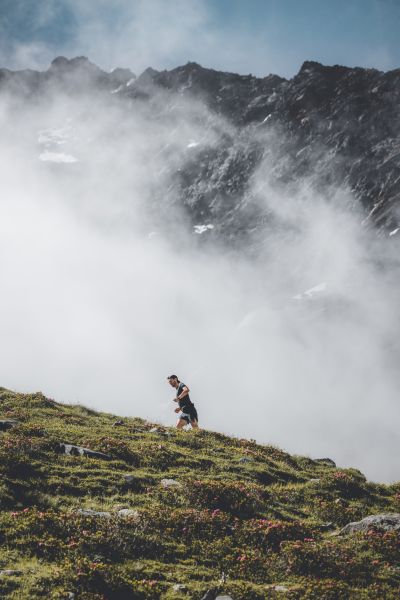
SML Montée du Nid dAigle 2021 Justin Galant 47

A true classic and one of France’s oldest mountain races, La Montée du Nid d’Aigle remains as true to that sporting culture now as it was was in 1986. In the words of 2019 winner Baptiste Chassagne, competing at this race “is a way to honour the tradition of its founders, true pioneers on a diet of genepi, salami and Beaufort.”

At 19km and 2,000m+, this is one of the longest uphills on the calendar. Coming just 6 days after Großglockner Berglauf, it’s a double-header of Classic alpine races in the busiest part of the season. Running both races is tough, but for an on-form athlete it’s a great opportunity to rack up World Cup points, as Lucy Murigi did last year.

Committed to protecting the local environment, in 2022 La Montée du Nid d’Aigle is further stepping up its engagement with local suppliers and environmental agencies; the post-race meal is locally sourced and policies are in place to minimise waste and reduce the race’s impact on the fragile habitats along the trail. In 2022 they are also working with TV8 Mont Blanc, a regional television channel to improve the live coverage of the race.

Winding it’s way up the side of western Europe’s highest mount, Mont Blanc, the course is stunning. From the start in Le Fayet, it follows the valley, climbing gently through the first half as it passes through Saint-Gervais-les-Bains before crossing and re-crossing the river. A left turn then takes runners away from the valley bottom and into the race’s steeper second half, relentlessly rising as it zig-zags its way up beyond the tree line. The most demanding terrain comes just when the legs are at their most tired with the trail climbing steeply alongside the spectacular Glacier de Bionnassay, to the finish at 2,394m at the Refuge du Nid d’Aigle.

There’s double relief at the finish line as each athlete is handed a ticket for the Tramway du Mont Blanc for their return trip to Saint-Gervais.

In 2021 we saw some of the most exciting racing of the season here. Xavier Chevrier led an Italian sweep of the men’s podium, coming in ahead of his compatriots Francesco Puppi and Henri Aymonod to set a new course record in 1:44:25.

On the women’s side, Lucy Murigi came in 20 seconds ahead of Christel Dewalle, taking the win but falling agonisingly short of Isabelle Guillot’s 2006 course record. Guillot’s record stands at 2:06:06. Murigi’s time. . .2:06:07. Will this be the year that that record is finally broken?

A trip to Saint Gervais is the perfect opportunity to leave the car at home. A free shuttle service connects the SNCF station Saint-Gervais-Les-Bains-Le Fayet to the town centre.
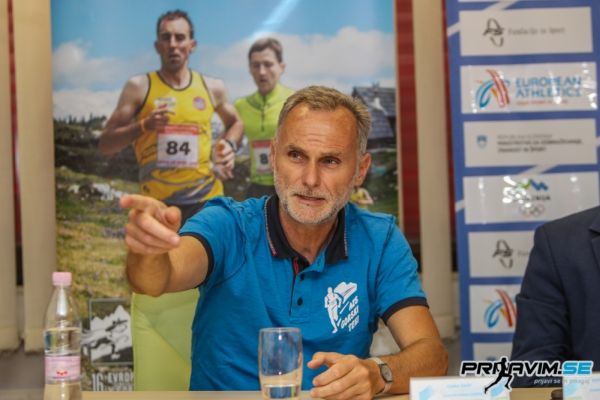
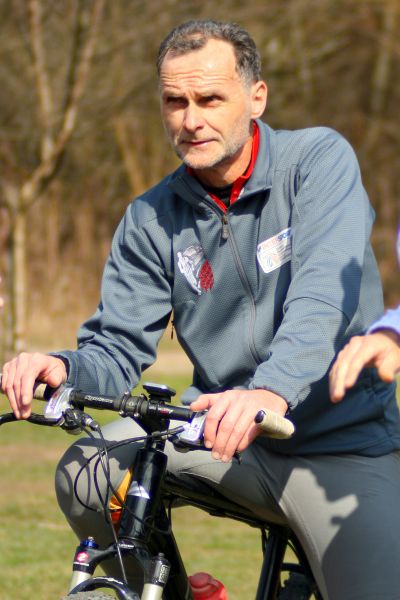
WMRA President – Tomo Šarf

Our newly elected president tells us a little about his own history in Mountain Running, and the sport’s future.

Tomo Sarf 1I was born “once upon a time” (or “more than 60 years ago”) in a country called Yugoslavia, close to Ljubljana, the capital of today’s Slovenia. The Sava river with its famous kayak course was on one side of the village, and Šmarna gora on the other side (gora = mountain).
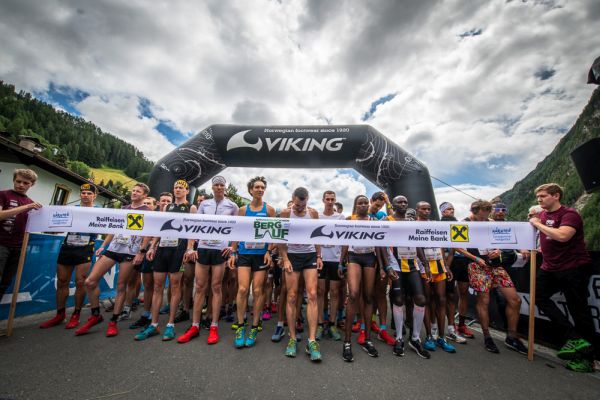
As a kid I was a solid road-biker, but due to the desire for education (which was in that time hard to join) left professional sport and have remained a good “multi-tasking” amateur sportsman up to today.

As a complement sport to road-biking, in that time we were running up and down Šmarna gora and of course competing for the best time. When I was 19 (in 1979), I decided to organize an official race to see how fast it was really possible to climb this hill, with only 360m elevation gain. Since then the Šmarna gora race has been organized 42 times in 42 years, hosting 19 World Cup finals; small hill, small race, but strong competition.

This was my first contact with Mountain Running, although in that time nobody knew anything about such a sport. But this kind of practice was familiar to many sportsmen like bikers, alpinists, kayakers, rowers, etc. All sportsmen were running up and down the mountains as a basic physical preparation for competitions.

Doing this, in 1992 the Šmarna gora Race was the first national Championship in the new country called Slovenia. In the same year also SLO MR association was founded and I was the president for the next 25 years. While chairing the Slovenian team at the World Championships during the 90s, Danny Hughes, the WMRA president, invited me to join and so I was elected to the Council in 1997. Since than I became year by year more deeply involved into mountain running as runner, event organizer and MR official on a national and international level.

In all those years working for WMRA I was taking care for all kinds of jobs – generally more focused on the organizational/technical part and less on promotion/media side. Generally, in the past, WMRA was more focused in this way. Our basic budget was secured by our patron, IAAF, and also generally sport was not as money orientated as it is today. Also international Mountain Running races were mostly low to middle budget events and most organizers were happy if they ended the event without a loss in finances.

In the last 4 years, many things have changed. The newly elected Council will continue the way it is going now, following World Athletics’ general policy. We all hope that the Covid euphoria is mostly over and that the coming years will be less stressful.

On the competition side, two WMRA top events have developed into the joint Mountain and Trail Running Championships and we can hardly wait for the first events on World and also European level. On the other side, the World Cup has also changed its character – it became wider and financially self sufficient.

In the coming four years we would like to introduce some new events, like Masters Long Distance Champs and I hope it is time to make some tests with relay races, that could bring new excitement into our sport. The World Ranking project has also started and of course, as a long term project, it will only show its potentials in the near future.

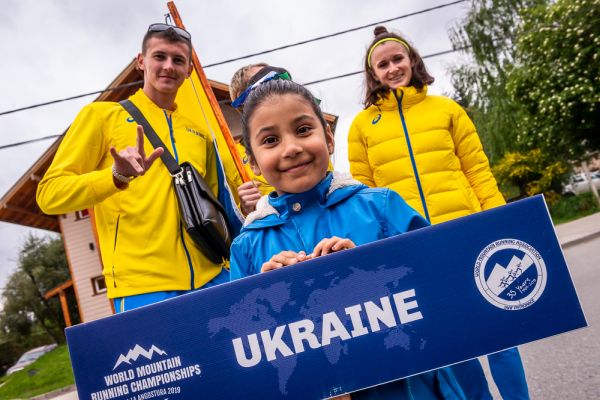
WMRA Statement on Ukraine

The World Mountain Running Association (WMRA) has been bringing athletes together for fair and friendly competition since 1984 and as such finds the Russian invasion of Ukraine intolerable.

The Russian Athletics Federation (RusAF) has been suspended from World Athletics and WMRA competition since 2015, due to doping violations, and has not been eligible to host or send teams to our championships.  

On March 1, 2022, the World Athletics Council agreed to impose sanctions against the Member Federations of Russia and Belarus as a consequence of the invasion of Ukraine. The WMRA supports this decision.

The mountain running community is united in support for all runners and  the entire nation of Ukraine. We extend our deepest thoughts, prayers, and strength to the Ukrainian community. We will continue to promote the message of peace and solidarity across the globe.

WMRA Council

WORLD CUP PREVIEW 2022 PART 4: Großglockner Berglauf

After starting the season with 3 new races, on the 10th of July the 2022 World Cup returns to an established classic; Großglockner Berglauf in Heiligenblut, Austria.

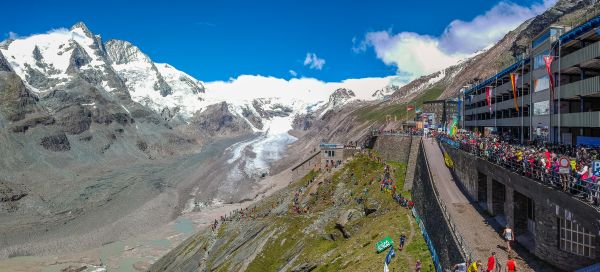
Finish SMLFrom the start in the village the route takes runners through alpine meadows, forest tracks and finally into the high alpine terrain beneath the Pasterze glacier and Großglockner itself, Austria’s highest mountain at 3,798m. 
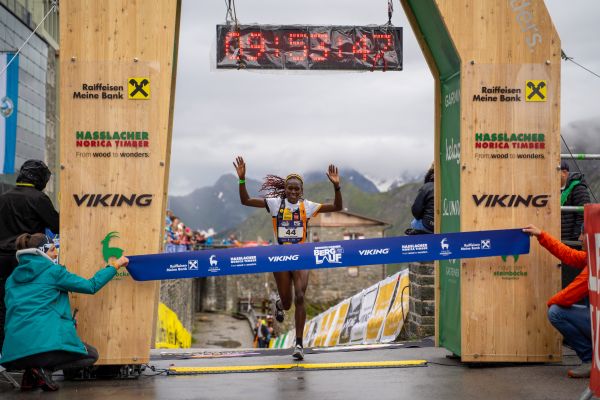
An excruciating final climb, 521 steps with the finish line in view the whole way, takes runners to the Kaiser-Franz-Josefs-Höhe and the wooden finish arch which marks the end of their effort. Having spent the race’s final kilometres staring at the heels of the person in front, runners finally get a chance to take in one of the most spectacular arenas in Mountain Running.

At 13.4k and 1,265m, this Classic uphill is a race that rewards a balance of flat speed and climbing strength. First run in 2000, Großglockner Berglauf has been the playground for some of Mountain Running’s greatest champions. Izabela Zatorska, Anna Pichrtová and Andrea Mayr all have multiple wins here, while Jonathan Wyatt won 6 in a row from 2003 to 2008.

Recent years have usually seen at least one Kenyan athlete on the top step of the podium. 2018 World Cup winner Geoffrey Ndungo has matched Wyatt’s number of wins, while 2 time World Champion Lucy Murigi has come out on top 3 times. When the World Cup visited last year it was a different Kenyan pair, Purity Gitonga and Lengen Lolkurraru who came 1st. Check out the results on the World Mountain Running Ranking.

This is a race which thrives off the enthusiasm of the local community, with the combined efforts of 300 volunteers providing a wonderful atmosphere and experience for the athletes.

The area around Heiligenblut is understandably popular with tourists year-round. Steep mountains, steeped in history, there are records of the area’s inhabitants going back thousands of years. While traditionally an area for agriculture and gold mining, in recent years it has become a mecca for anyone interested in mountain sports, from skiers and alpinists to hikers and mountain runners

SmallWomenWinnerbyDrumlIn terms of running, it’s hard to go wrong. You’re in the Alps after all. Grab a map, follow some dotted lines. You’d be very unlucky indeed not to end up somewhere spectacular. (Still not sure? Here are some suggestions.)
The closest airports are Klagenfurt and Salzburg, but travelling by train to Leinz or Mallnitz-Obervellach is the most scenic, environmentally friendly way to arrive. Local taxis will take you from either station to Heiligenblut itself.

A few of the 1,200 bibs are still available. Elite athletes seeking a free place should complete the form here.

European Athletics Off-Road Running Championships 2022

On 1-3rd of July the town of El Paso, on the Spanish island of La Palma, will host the first ever European Athletics Off-Road Running Championships.

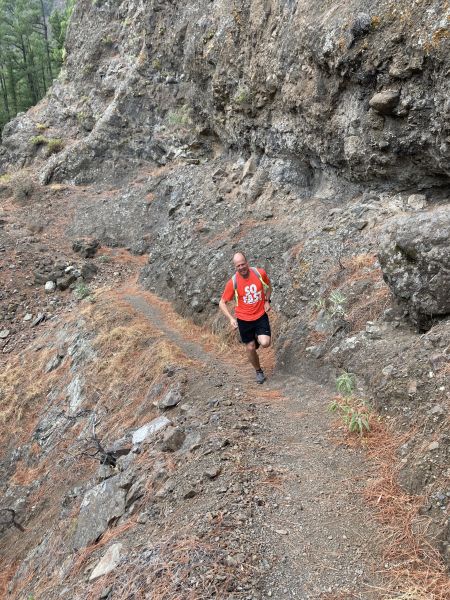
The pine forests and rocky trails on the flanks of Pico Bejenado to the north of El Paso will be the scene of 3 days of thrilling racing as the two disciplines of Mountain Running and Trail Running are combined into a single continental championship for the first time. By Sunday afternoon European champions will have been crowned in 10 events; Senior and U20 women and men in Uphill and Up and Down Mountain Running, and Senior women and men in the Trail Race.

IMG 0287SMLFollowing the opening ceremony on Thursday 30th of June, there is a prelude to the weekend’s racing with Subida a las Estrellas, Ascent to the Stars, a mass participation uphill night race of 3.1k and 607m+. Then on Friday the championship racing gets underway with the Elite Uphill races; 6.5k and 765m+ for the Under 20s, 9km and 1011m+ for the Seniors.
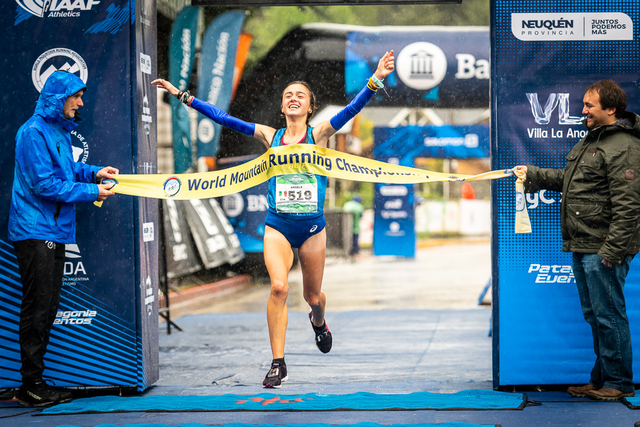
Saturday brings the Trail Race, 47.7k and 2,562m+, taking in some of the same trails as the mountain races at the beginning and end, with a long loop out to the spectacular ridge that makes up El Paso’s eastern skyline.

There is a mass participation race on the same course, as well as a shorter 31.7km option. Saturday also sees the mass participation race on the Up and Down mountain course.

The championship concludes on the Sunday with the Elite U20 and Senior Up and Down mountain races, 5.4km, 309m+ and 18k, 865m+ respectively.

Having hosted the Spanish Mountain Running Championships in tremendously difficult circumstances in 2020, the town of El Paso and RFEA are sure to produce another incredible weekend.

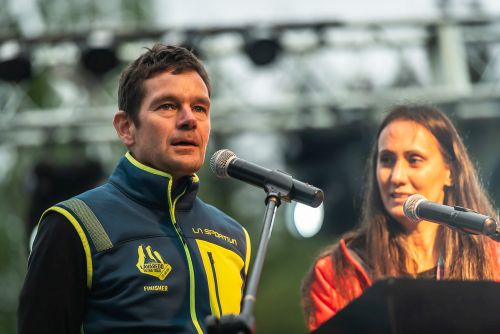
Technical delegate for the event and WMRA Council member Sarah Rowell said ‘I am heading over to La Palma again next week to carry out the final course check, but having visited last year and worked closely with the LOC, I am really excited about what will be the first combined mountain and trail international event – the courses are tough, fair and respect the traditions of mountain and trail running. We have a superb location and a great organising committee behind the event, who have worked really hard to ensure the Championships can successfully go ahead despite both Covid and the volcano eruption of last year.’

A detailed timetable and course maps and profiles can be found on the European Athletics website.

D858296

World Mountain and Trail Running Championships: Change of Date

Following discussions with the Local Organising Committee, the decision has been made to bring the date of the Championships forward, to 3rd – 6th November.

Unfortunately, the original dates now clash with the final summit meeting of the Asia-Pacific Economic Forum, being held in Bangkok. Not only are our government hosts fully committed to the meeting, there would also be extra security surrounding the visit of key heads of state, potentially leading to inconvenience for visiting athletes and staff.

The programme is unchanged, as is the hotel accommodation and the other key locations.

We acknowledge that this change of date may inconvenience a number of federations but it is our hope that having brought them the news as soon as possible, while ensuring that all other plans for travel, accommodation and technical details remain the same, they will be able to continue to plan their attendance.

We look forward to seeing you all in Thailand in November, a little earlier than expected.


WMRA Congress Update

 The WMRA Congress took place, virtually, on the 17th of February. 

WMRA Council members and candidates were joined by representatives from World Athletics and 22 national federations to discuss the recent work that the WMRA has been doing in Mountain Running and the future direction of the sport.

Alessio Punzi, World Athletics Road Running Manager, gave an update from World Athletics before the Council reported on some of the work that has been done in recent years, including changes in the structure of the World Cup, the continued growth of the World Mountain Running Ranking and the WMRA’s collaboration with athletes through the Athlete Commission.

Council3SMallThere was a review of the 2021 competition programme, with the World Masters Championship in Telfes and the Nations Cup in Chiavenna, a new event for 2021, being seen as particularly successful. A proposal for the addition of a World Masters Long Distance Championship is to be further reviewed.
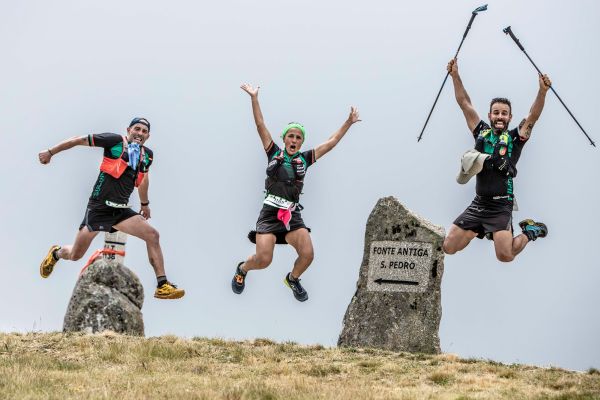
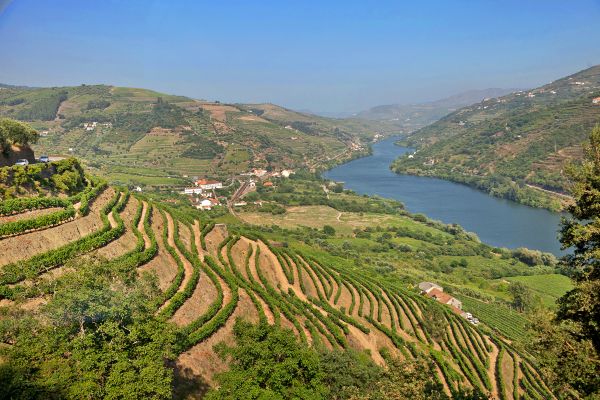
A discussion followed of the competition calendar for 2022 and 2023, concerning both the continued evolution of the World Cup and the various championships. Following this year’s International U18 Mountain Running Cup in Saluzzo, Italy and World Masters Championship in Clonmel, Ireland, the 2023 events will take place in Annecy, France and Porto Moniz, Portugal respectively.

Finally, elections also took place to select the WMRA Council for the next 4 years, as well as to elect a new President, Treasurer and Secretary.

With Jonathan Wyatt stepping down as President, Tomo Šarf was elected to that position while Nancy Hobbs became Secretary and Sarah Rowell was elected as Treasurer.

The makeup of WMRA Council for the next 4 years is as follows:

Tomo ŠARF (SLO) – president John BOWDEN (NZL) – member
Nancy HOBBS (USA) – secretary Sergio MAYAYO (ESP) – member
Sarah ROWELL (GBR) – treasurer Marcel MATANIN (SVK) – member
Giorgio BIANCHI (ITA) – member Julius RUPITSCH (AUT) – member 

We thank Wolfgang Münzel and Andrzej Puchacz for their years of work on the Council.

The next Congress will take place during the World Championships in Thailand in November.

WORLD CUP PREVIEW 2022 PART 3: ONE HUNDRED DOURO PAIVA

We continue our run-through of this year’s World Cup races with a look at One Hundred Douro Paiva.

SmallDouro RegionUPDATE: There has been a change of date for One Hundred Douro-Paiva. Originally scheduled for Saturday 2nd July, it will now take place on Sunday 3rd. 
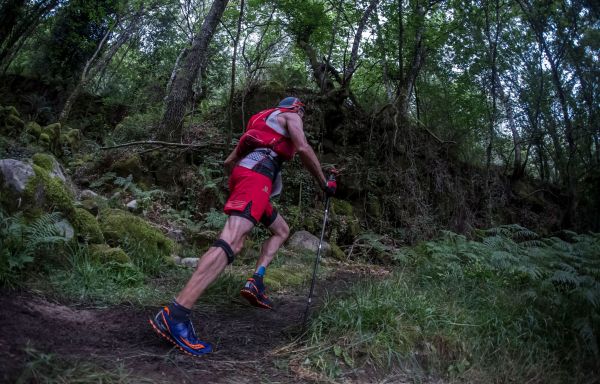
After making its first visit to Portugal in June, the World Cup finds itself back there again 2 weeks later, having travelled just 30km north-east from Castro Daire to the neighbouring municipality of Cinfães in the Douro valley, for One Hundred Douro Paiva, a Silver Label race.

The region is best know internationally for its wine production. A UNESCO World Heritage Site, the traditions of vinification here go back 2,000 years, with terraced vineyards still dominating much of the landscape in the hills above the Douro river.

In more recent times, the area has had increasing appeal to mountain athletes. Having been scheduled to host the 2021 European Championships, unfortunately cancelled due to the pandemic, in 2022 Cinfães looks forward to welcoming the best mountain runners in the world.

“Joining the WMRA is a big step for One Hundred Douro Paiva, without a doubt,” said Pedro Conde, of race organisers. “We’re reaching a lot more athletes now, not only in Portugal but also throughout the world, and we’re looking forward to achieving a large number of runners for the many distances we have on offer.

“Mountain trail running is growing strong and steadily, and we want to contribute to this growth so that more people discover the sport and start enjoying all the good things the mountains have to offer.”

At 45km, with 2,145m of climbing, One Hundred Douro-Paiva is the longest race in this year’s World Cup. From the start in Cinfães, at 400m, the route takes runners south up the side valley containing the Bestança river, a tributary of the Douro. Immersed in the deep green of the forest, this is a beautiful section of the course and, although the elevation here is low, the terrain is challenging; technical, undulating single track trails and multiple river crossings.

Rising steadily to this point, the serious climbing gets underway as the runners leave the forest behind and ascend to the broad, open ridges of the mountains above, reaching 1,100m on the western shoulder of Perneval. Take a moment to look left from there and you should just be able to make out the finish line of Montemuro Vertical Run in the distance.

SmallIMG 9706Another descent and another climb takes runners to the rounded summit of Alto do Vale do Asno, where they turn north back towards Cinfães. But don’t kid yourself that it’s all downhill, there are multiple small climbs as the route wiggles its way all the way back down to the Bestança. On tired legs, the final 250m pull up to the finish could well prove decisive.
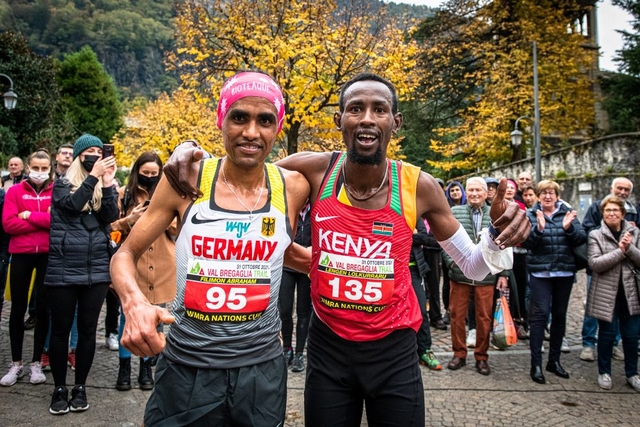
For a post race leg-loosener, runners might visit the stunning Alvão Natural Park, where the PR3 walking route takes you on a 12 kilometre circuit and includes a visit to Fisgas de Ermelo, one of the highest waterfalls in Portugal. A little further east, the Vale do Côa Archaeological Park features a remarkable array of ice-age art dating back over 20,000 years.

Cinfães is just over an hour’s drive from the airport in Porto. Alternatively, the train will take you direct from Porto to Mosteiro, from where it is a 15 minute taxi ride to Cinfães.

NC2 small

WMRA CONGRESS TAKES PLACE THURSDAY 17 FEBRUARY

The WMRA will be hosting it’s annual congress which due to the postponement of the World Mountain and Trail Running Championships in Thailand to November in 2022 will take place via virtual online meeting.
Reports will be presented to the Congress outlining the positive work the Council has been doing with respect to the new World Mountain and Trail Running Championships, an expanded World Cup series as well as further progress on new projects such as the World Ranking and Nations Cup held in 2021.

This edition also will host the Council elections where a new Council will be elected for a further 4 year term.  There will be changes in all positions including a new President, Secretary and Treasurer.  

Due to only one candidate the new President can already be announced as Tomo Sarf from Slovenia and likewise the Secretary will be Nancy Hobbs.  The position of treasurer will go to a vote as well as the five remaining Council positions.


World Cup Preview 2022 Part 2: Montemuro Vertical Run

The second round of this year’s WMRA World Cup will take place on the 19th of June at the Montemuro Vertical Run in the municipality of Castro Daire, Portugal. For the second time in as many races, this will be the World Cup’s first visit to a new country.

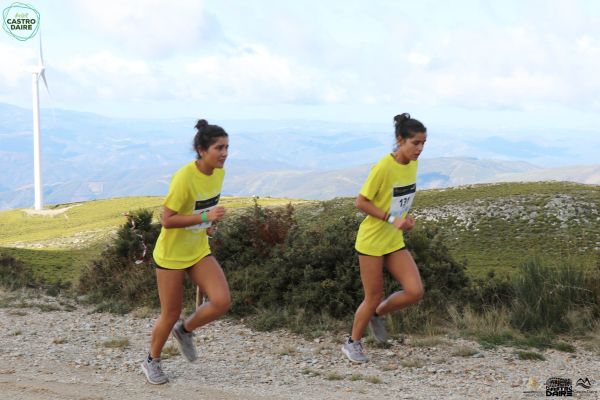
WebSmall2After hosting the Portuguese Mountain Running championship in its very first edition last year, Montemuro Vertical Run makes the leap to join the WMRA World Cup as a Gold Label race in 2022. If you think that sounds like the trajectory of an ambitious organiser, you’d be right; big things are happening with mountain running in Portugal, and in Castro Daire in particular.
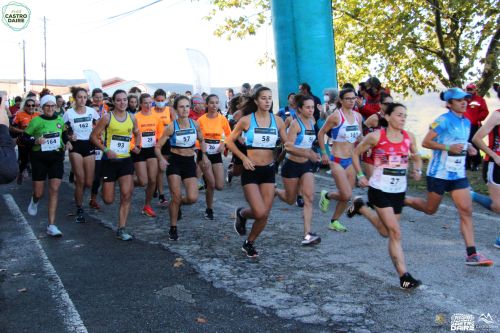
“We are very excited and proud of the inclusion of the Montemuro Vertical Run in the World Cup,” said Pedro Pontes, of the race organisation. “This project is the result of work that the Municipality of Castro Daire has been developing in Mountain Running, together with the Portuguese Athletics Federation and local associations.”

There is a big push underway to promote the area’s potential for mountain sports, both running and cycling. This began with the establishment of (Per) Correr Castro Daire, a local circuit consisting of 8 races in 2022, and has shown remarkable progress year on year. The municipality once again hosts the Portugese championship in 2022, this time in the up and down format, on the 5th of June.

“We have created solid foundations,” says Pontes, “but they are also the start of a future project that aspires to make Montemuro a training center for great European teams.”

In addition to all that, a second WMRA World Cup race, the Silver Label One Hundred Douro-Paiva, will take place in early July in the neighbouring municipality of Cinfães, just the other side of Serra de Montemuro.

The Montemuro Vertical Run starts at 434m in Parada de Ester, just above the Paiva River. The opening kilometre takes the runners through the streets before they turn left, heading north toward the summit of Montemuro. This where the climbing really begins in earnest and athletes get little or no respite as it goes on more or less continuously to the finish at 1,317m.

All in all it is 9.6km, 980m+ and 106m-, putting the race in the Classic Mountain category. The times to beat from last year are Rui Muga’s 50:55 for the men and Joana Soares’ 56:13 for the women. With a World Cup field lining up alongside Portugal’s finest it’s sure to be a fast, fast race.

WebSmall3Visitors looking for an easy pre- or post-race run might try the Pombeira Trail, a roughly 10 kilometre circuit beginning at the church of Nossa Senhora dos Remédios, before in taking the mountain achitecture of the hamlet of Codeçais and the beautiful Vidoeiro river.

Although the town is relatively small (the population of the municipality as a whole is 15 thousand), Castra Daire has a large number of restaurants where runners might refill their legs after a hard effort in the mountains. All tastes are catered for with a range from traditional Portuguese cuisine to every mountain runner’s perennial favourite, pizza.

The closest major airport is Porto, from where Castro Daire can be reached in 90 minutes by car or by bus or train with connections in Viseu or Régua.